


Technical Challenges and Ethical Issues in AI Music Video Generation
The sync problem — and why most tools get it wrong
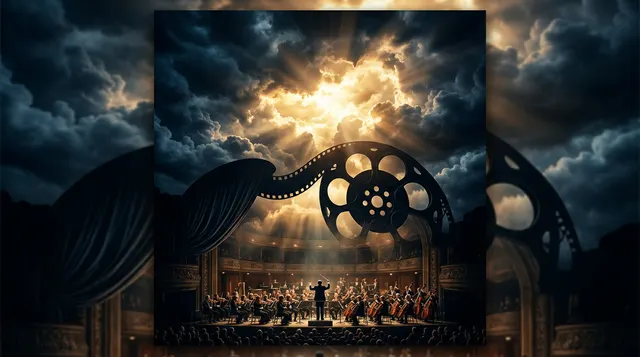
The most persistent technical challenge in AI music video generation isn't visual quality—it's timing. When a scene cut lands even 100ms late on a snare hit, the viewer notices immediately, even if they can't articulate why.
Most 2025-era tools generated visuals independently of the audio timeline, then attempted to align them in post. The result was what researchers call "temporal drift"—where sync errors compound over the duration of a track.

Our approach with the v6 Multi-modal Engine was to invert that process: audio analysis runs first. The engine extracts beat positions, phrase boundaries, and emotional arc from the track (or lyrics-derived audio), then builds a scene schedule around those anchors. Caption timing follows the same map.
In practice, this keeps cuts within a single frame of the target beat across a standard 3-minute track—a meaningful improvement over tools that treated sync as an afterthought.
What "ethical AI music generation" actually requires
Ethical concerns in AI-generated music videos cluster around three areas: training data provenance, commercial licensing, and platform disclosure. Each one has a practical dimension that gets overlooked in abstract discussions.
On training data: the models underlying our visual generation were trained on licensed datasets. That matters because it's the foundation of a clean commercial chain—if the model's training data had unresolved rights, that uncertainty would pass downstream to every output.

On licensing: our Content License grants royalty-free commercial use for both the audio and video outputs. "Royalty-free" here means no per-use fees and no third-party claims—not just "free to use personally." That distinction matters when you're monetizing a YouTube channel or licensing a clip to a brand.
On disclosure: YouTube's 2026 AI content policy requires creators to label realistic AI-generated material. We build our export metadata to include AI generation markers, so you can comply without manually tracking which clips to flag. For a full breakdown of how this affects monetization, see our Monetize AI Music 2026 guide.
Why the "best AI music video generator" question doesn't have a single answer
When people search for the best AI music video generator for YouTube 2026, they're usually asking about one of three things: output realism, licensing clarity, or workflow speed.
A tool optimized for photorealistic scenes may produce stunning output but require manual licensing review. A tool optimized for speed may generate in 30 seconds but at 1080p with uncertain commercial terms.
Our position is that the best tool for YouTube creators specifically is one that resolves all three: visual quality sufficient for a 4K timeline, a license you can rely on for monetized content, and a workflow that doesn't require video editing expertise. That's the design goal behind this generator—not a universal claim, but a deliberate choice about which creators we're built for.